Creator: z-INTEL Admin
SNF Digest #153
Registration for Z-Pax live is now open. If you’re involved in SNF technology, it’s a great place to come meet those on the forefront of innovation in the space. More information available here.
Registration for Z-Pax live is now open. If you’re involved in SNF technology, it’s a great place to come meet those on the forefront of innovation in the space. More information available here.
WHITE HOUSE:
The White House focused on a new investigation into meat pricing, easing tariffs on a wide range of agricultural products (including coffee!), signing a trade agreement with China, negotiating a trade deal with Switzerland, and signing a new Executive Order, driven by the First Lady, creating new public-private partnerships in the foster care system. One item of interest for us:
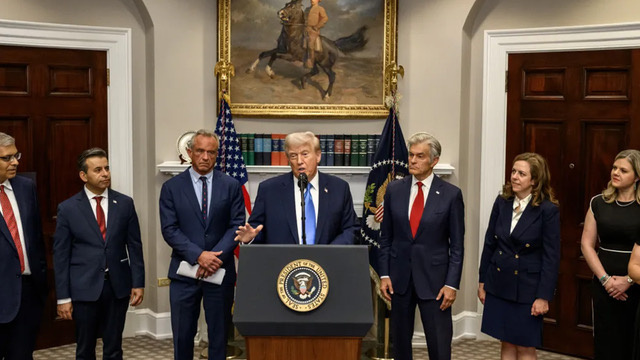
Continuing their efforts on the pharmaceutical front, they announced another “Most Favored Nation” pricing arrangement with several pharmaceutical manufacturers, this time Eli Lilly and Novo Nordisk. Included in this agreement are popular weight loss drugs, like Ozempic, Wegovy, & Zepbound. The agreement also allows for state Medicaid programs to tap into the pricing.
CONGRESS:
Congress finally found a path forward to fund the government, ending the longest government shutdown in history. Of course, all the latest agreement does is kick the can down the road again, with this bill only funding the government through January 30th, although the Senate is hoping to get started on next funding discussions already. Adding to the pressure is the perception, among Democrats, that they caved in the discussion without extracting any meaningful concessions from Republicans. For the most part, the bill is “clean”, in that it doesn’t add a tremendous amount of federal spending, but it does fund SNAP benefits, most federal agencies, such as the VA, and increases security for Congressional members. Notably, the bill doesn’t address the expiring healthcare subsidies but rather set up a stand-alone Senate vote, although there’s no guarantee that the House will take it up amid a packed schedule. Still, with the government back open, things can get back to normal. Elsewhere in DC:
Republicans in the House and Senate remain far apart on what to actually do about healthcare, an issue that gets more pressing by the day with healthcare subsidies now set to end for more than 20 million beneficiaries. Meanwhile, states are trying to prepare best they can.
Buried in the government funding bill was a provision that reset the budget deficit clock for the purposes of PAYGO, the mandatory 2% federal spending cuts that should have kicked in following the budgetary increases from the tax bill.
The bill also banned the sale of THC-infused products, although with a one-year lead time till the ban goes into effect, expect an all-out lobbying effort by the industry.
With Indiana choosing not to redistrict, much to the President’s displeasure, Democrats appear to have survived the redistricting wars with a chance to regain the House majority in 2026.
Democrats fared really well in last week’s elections, winning the gubernatorial races in NJ & Virginia, establishing a new supermajority in the NJ Assembly, and breaking a Republican supermajority in Mississippi.
We’re up to 10 Senators and 37 House Members not running for reelection. Here’s a running list.
Might be mainly inside politics, but Politico did a deep dive into how the pharmaceutical industry and health insurers responded to the Administration’s efforts to regulate them.
AGENCIES:
CMS issued new preliminary guidance regarding provider taxes, including updated timelines for closing the MCO provider tax provisions in New York and California. The guidance is available here.
CMS released the 2026 Medicare Part A & B premiums & deductibles.
CMS announced a new model to allow state Medicaid programs to purchase prescription drugs at prices matching what other countries pay. The program, called the “GENEROUS” model is a voluntary model that builds off the White House’s direct negotiations with manufacturers to date. The central resource page is here.
HHS announced that, as expected, all 50 states submitted applications for a piece of the $50 billion rural health transformation fund. The central resource page to track announcements is here.
While it’s not official yet, it appears that the DEA will extend, for the fourth time, Telehealth prescribing flexibilities. Fierce Healthcare has more.
HUD announced changes to their homelessness policies with a stronger focus on mental health, transitional housing, and supportive services. It’s a follow-up to the President’s Executive Order from July on ending homelessness.
From the Notebook:
Pennsylvania finally passed their 2025 budget. With the state in difficult fiscal straits, it was a mostly flat budget.
The Ohio Supreme Court ruled in favor of providers in denying the Medicaid Agency’s request for a stay regarding the decision that required the state to recalculate rates. For those so inclined, the formal decision is here (PDF).
The insurance agencies in quite a few states are looking at their MA insurers marketing tactics.
Oh look, more health systems are fighting with their MA plans. Here are two more instances: one with United Healthcare and one with Humana.
AETNA is easing up (PDF) on their new ‘downcoding’ policies, following pushback from provider organizations.
Imagine that? A recent study in JAMA found that moving into a SNF helps promote social participation and reduced isolation for seniors. The Washington Post has a good opinion piece on the study.

SNF Digest #154