Creator: Patrick Connole
Senators Focus on Falls, Tech in Asking GAO for New Study
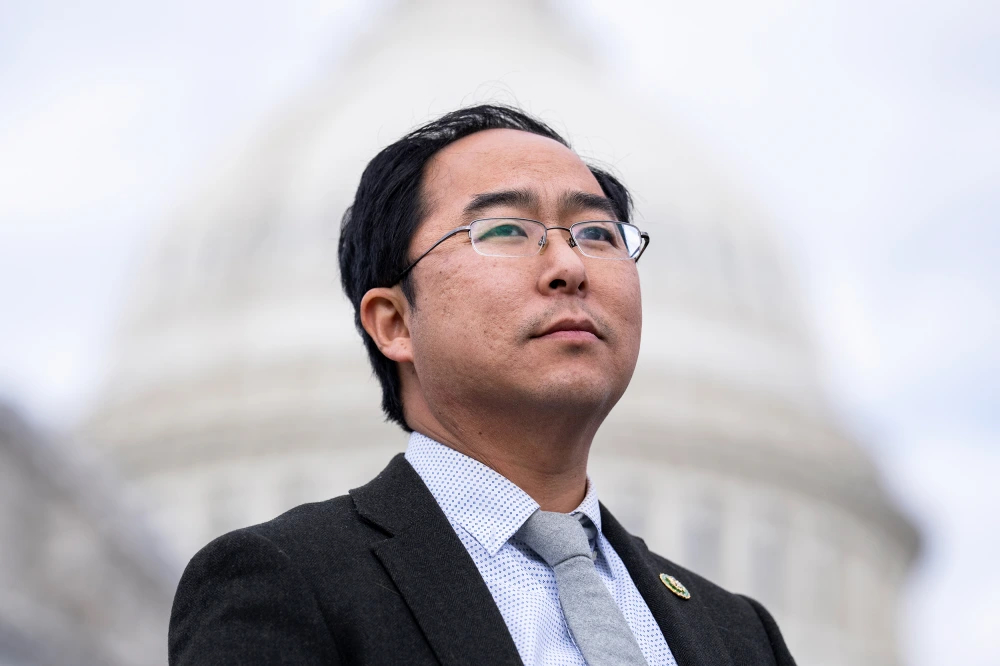
Sens. Kirsten Gillibrand (D-N.Y.), Andy Kim (D-N.J.), and Angus King (I-Vt.) have signed onto a request for a GAO study about how technology can transform the lives of older adults and people with disabilities with a focus on falls.
Sens. Kirsten Gillibrand (D-N.Y.), Andy Kim (D-N.J.), and Angus King (I-Vt.) have signed onto a request for a Government Accountability Office (GAO) study about how technology can transform the lives of older adults and people with disabilities. The action follows a hearing of the Senate Aging Committee, which examined the threat of falls among older Americans and what technology and program remedies are available to help reduce such incidences.
Gillibrand, who is the ranking member of the Aging panel, said “falls pose a significant health risk to our seniors and jeopardize their ability to age safely in the locations of their choice.”
Focusing more on community living than in the facility-setting, the lawmaker said emerging technologies like wearable devices have the potential to significantly improve the lives and safety of older adults and people with disabilities “but we must thoroughly investigate these technologies to understand their limitations.”
“That’s why I requested a GAO study on these technologies and how the federal government can facilitate their adoption.”
GAO Gets the Call
The letter asked the GAO to study:
Which technologies show promise in helping older adults and adults with disabilities live safely and independently in their homes and communities, including in areas such as injury prevention, mitigation, and recovery, promoting health and well-being, and reducing isolation and loneliness?
What challenges do older adults and adults with disabilities face when adopting these technologies?
What role can the federal government play in facilitating and monitoring the adoption of these technologies among older adults and adults with disabilities?
During the hearing, one panelist testifying pointed to the depth of the problem with falls. Christine Didion, director of programs for the Area Agency on Aging of Pasco-Pinellas, St. Petersburg, Fla., said more than 14 million seniors report experiencing a fall each year and falls remain the leading cause of fatal and non-fatal injuries among older adults.
“$80 billion in healthcare costs were estimated to be spent in 2020 on the treatment of non-fatal injuries from a fall among older adults with 71 percent of those costs paid for by Medicare or Medicaid. That cost is expected to rise to $101 billion by 2030,” she said.
The letter to GAO is here.
Comments or questions? Contact Patrick Connole at pconnole@parkplacelive.com.

CMS AI Pilot for Prior Authorizations Gets Cold Shoulder