Creator: Patrick Connole
Haitian TPS Case Sees Late-Game Motion to Dismiss
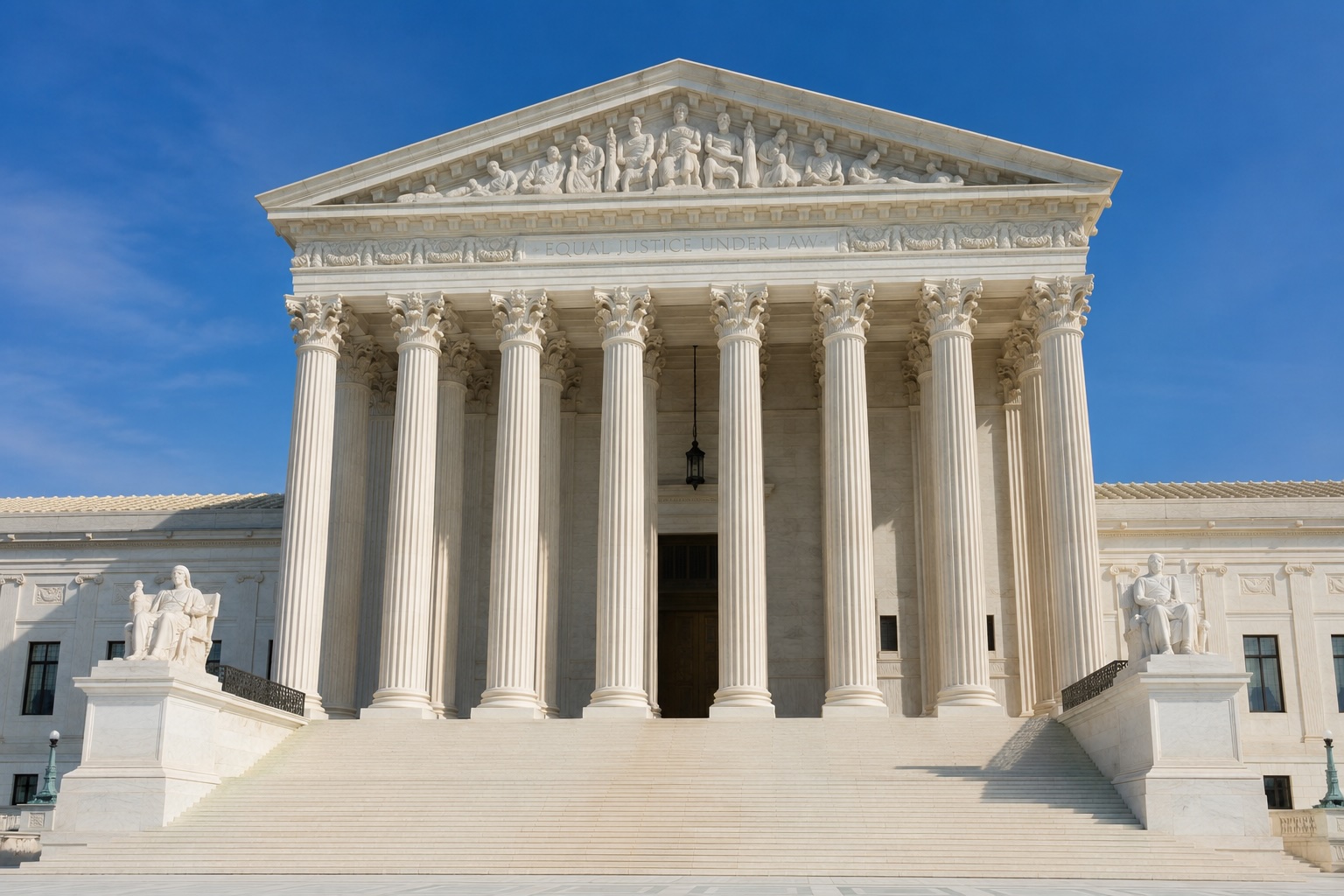
On the cusp of the U.S. Supreme Court handing down a decision on whether 350,000 Haitians and Syrians can remain in the United States under the TPS program, lawyers for the plaintiffs filed a motion to dismiss.
On the cusp of the U.S. Supreme Court handing down a decision on whether 350,000 Haitians and Syrians can remain in the United States under the Temporary Protected Status (TPS) program, lawyers for some of the 330,000 Haitian plaintiffs filed with the court for a dismissal based on new evidence the Trump Administration did not follow the law.
New Dept. of Homeland Security (DHS) documents "contain further evidence that the termination of Haiti's TPS designation was a preordained outcome," according to the motion to dismiss. “Career staff” wanted to keep the TPS program intact, but were overruled by an administration political appointee, the suit further alleged.
The allegations are a result of news reports Noem lied: Emails suggest DHS ignored federal law to end TPS for 350k Haitians this week detailing the actions of DHS and their actions to end the TPS program.
Direct-Care Workers
Haitians are a key block of direct-care staff in nursing homes in certain states, like in South Florida where 6,000 Haitians with TPS work in nursing homes and home healthcare. That is around 8.5 percent of the total number working in such jobs across the entire state. Massachusetts also would be greatly impacted if the Haitian TPS holders were deported, with some 4,300 Haitian nationals working in roles like CNAs up to licensed nurses.
Government data shows nationally, all immigrants make up 28 percent of the direct-care workforce in long-term care.
Tracking the Case
The U.S. Supreme Court from April 27-29 heard oral arguments on the case, and a decision was expected before the end of June, which is the traditional time scores of court decisions are handed down.
Congress enacted the TPS program in 1990. The program gives DHS the authority to designate a country’s citizens as eligible to remain in the country and work if they cannot return to their own country because of a natural disaster, armed conflict, or other “extraordinary and temporary” conditions.
Haitians were first granted TPS in 2010 because of a tragic earthquake and its aftermath. The quake killed 200,000 people.
When elected for the first time, President Trump tried to end protections for Haitians but was unable to do so before his term ended amid a court battle.
Questions or comments? Contact Patrick Connole at pconnole@parkplacelive.com.