Creator: Patrick Connole
Haitians and Residents Wait for a Reprieve
Amina Dubuisson is a U.S. citizen from Haiti, working in long-term care. The concern is real for her, however, as thousands of Haitians await a last-minute reprieve from deportation.
Amina Dubuisson is not here in this nation under any special status. She is an American citizen, born in Haiti, who emigrated as a teen and later received citizenship after her parents paved the way, as she says, for the life she leads and the success she’s had in long-term care.
She is the vice president of clinical services for Ventura Services Florida in Ft. Lauderdale.
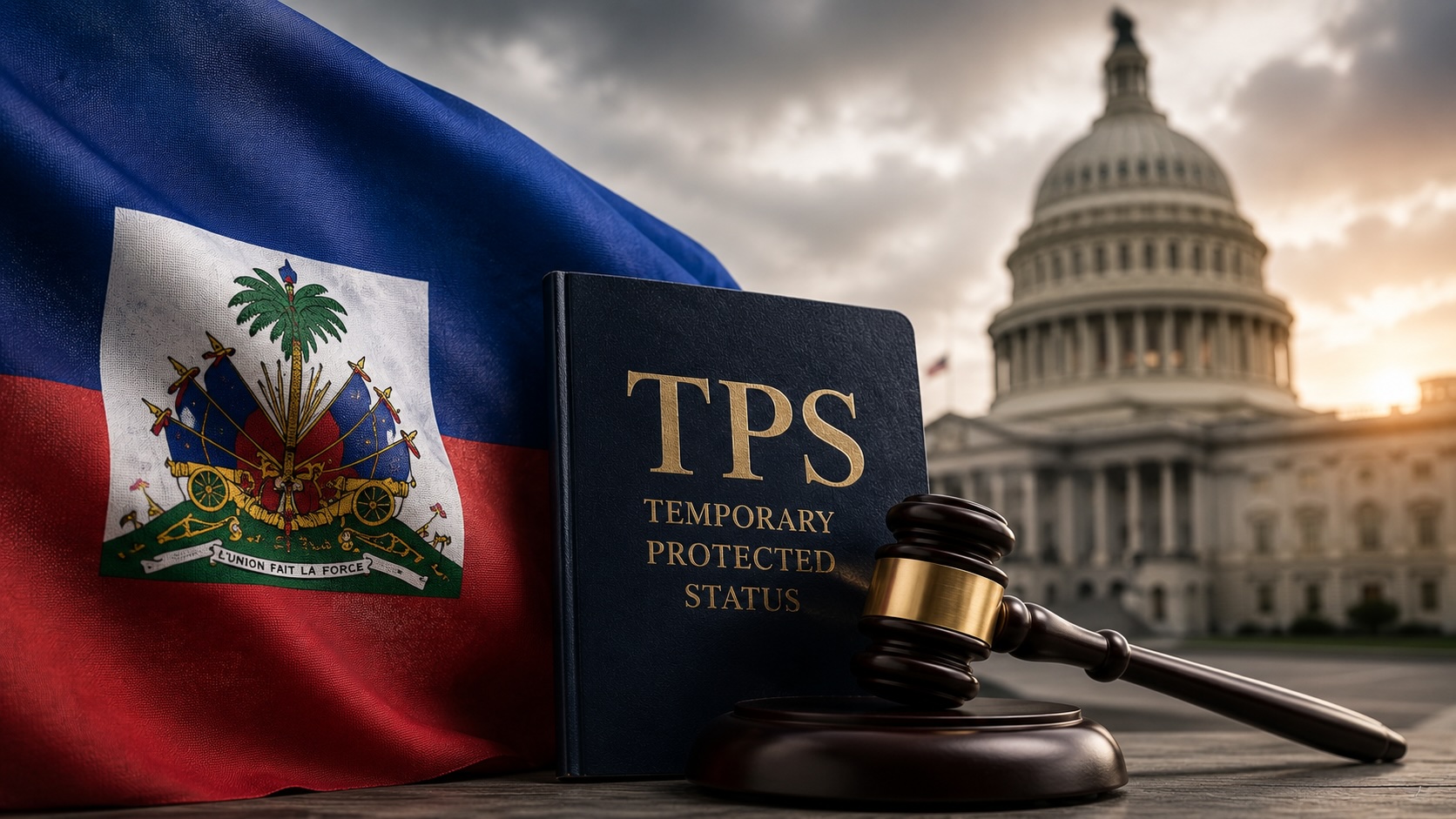
Her story does nothing to relieve the tension Amina feels today. That’s because hundreds of thousands of Haitians, many working in long-term care in Florida, are tied up in a knot of huge proportions. Today is the last day Haitians here on Temporary Protected Status (TPS) can work or live in the United States. That is unless a last-minute reprieve comes from a court.
For Amina, the focus is on the chaos that is already underway for TPS holders and their employers. Many of the Haitians with this status have been here since 2010, when the U.S. government allowed some 350,000 people from the island nation to move here after a devastating earthquake.
‘Mommy’
That chaos is not limited to a courtroom or even her facilities.
“The other part of it for me is that I care for my mom at home and need someone, a home health aide, so I can function in my work outside of the house,” she said. That work is done in part by Haitian nationals, many working under TPS.
“My mom’s case is complicated because of her comorbidities. What do I do? Pull in family members, kids, change my time to work, or move mommy to a nursing home?”
The whole situation is something Amina did not experience when she made the move here.
“I’ve been in the USA for 30-plus years, and 20-plus years of that in long-term care. And that is because you have many people who have paved the way. I was blessed that those people included my mom and dad. After graduating high school, I came with a green card and five years later became an American citizen. That was because of the path paved for me. Some people have had a different path and now maybe no path,” Amina said.
Reality Hits
Back to work, and more chaos. Amina said there are eight CNAs from Haiti with TPS who will no longer be able to work at one of her facilities come tomorrow.
“I am honestly worried about the rest of the week and moving forward. We have tried to hire as much as we could, but it’s not like there are a lot of people waiting in line,” she said.
“Now I can tell you that I know a lot of people who came here from 2010-2012 and they are doing well here, even owning their own business. But it is hard with TPS, there is no straight path to become a green card holder,” Amina said.
She laments the fact if these TPS holders have to go back to Haiti, there is nothing waiting for them. “I do know people, and they have nothing there. There is no infrastructure, there are no logistics. To tell you the truth, the government can stop that [deportations] and lay down a path. We are talking about workers who are taking care of the elderly, and they deserve to have the best care, and this will disrupt that,” Amina said.
According to the Florida Health Care Association’s data crunching and based on about half of Haitian immigrants nationwide living in Florida and TPS applying to 350,000, that puts the Florida number at around 175,000 individuals. Since about 20 percent of Haitian TPS holders work in healthcare, the end to TPS could affect about 35,000 healthcare workers who are Haitian, but that number won’t all be those working in skilled nursing facilities.
Truly, Last Minute
On the legal front, media reports depict a mad dash to get protections for Haitians, and other foreign nationals, extended. In the case of the Haitians with TPS, the June 25 U.S. Supreme Court order was a victory for the Trump Administration in its efforts to eliminate TPS and send the individuals back to Haiti, but the justices left a crack of hope.
According to CNN, while the “high court's conservative supermajority said in late June that judges do not have the power to review challenges to the Homeland Security secretary's decision to end TPS for a slew of countries based on claims the administration didn't follow proper legal procedure. But the justices left the door open for TPS beneficiaries to bring constitutional challenges to the administration's actions.”
And in recent days, they have, with legal advocates representing migrants from a handful of countries repackaging their earlier procedural arguments into new constitutional claims or signaled plans to do so soon.
“For several of those countries, attorneys defending the TPS designations are also now pushing novel, non-constitutional arguments about whether the department has the authority in the first place to terminate the protections,” CNN said.
On July 24, Boston-based Judge Brian Murphy said he will keep the TPS designation for migrants who fled Ethiopia while he weighs new claims from them. Just one day earlier, Judge Patti Saris, also in Boston, said she will keep the TPS designation for South Sudan in place for now. Earlier, Judge Matthew Kennelly in Chicago said officials are barred from ending the humanitarian protections for Burma through at least August 7.
Amina sees all of this legal wrangling from afar.
“I know there are still a lot of meetings that are being held and all of that. I cannot tell you what is happening until the end of today. If there is no extension, the nurses, CNAs, dietary workers, housekeepers. . . anyone we have in TPS at all facilities we will have to be remove from the schedule.”
The end of today will tell, maybe.
Comments or questions? Contact Patrick Connole at pconnole@parkplacelive.com.