Creator: Patrick Connole
Haitians and the TPS End Game Continues
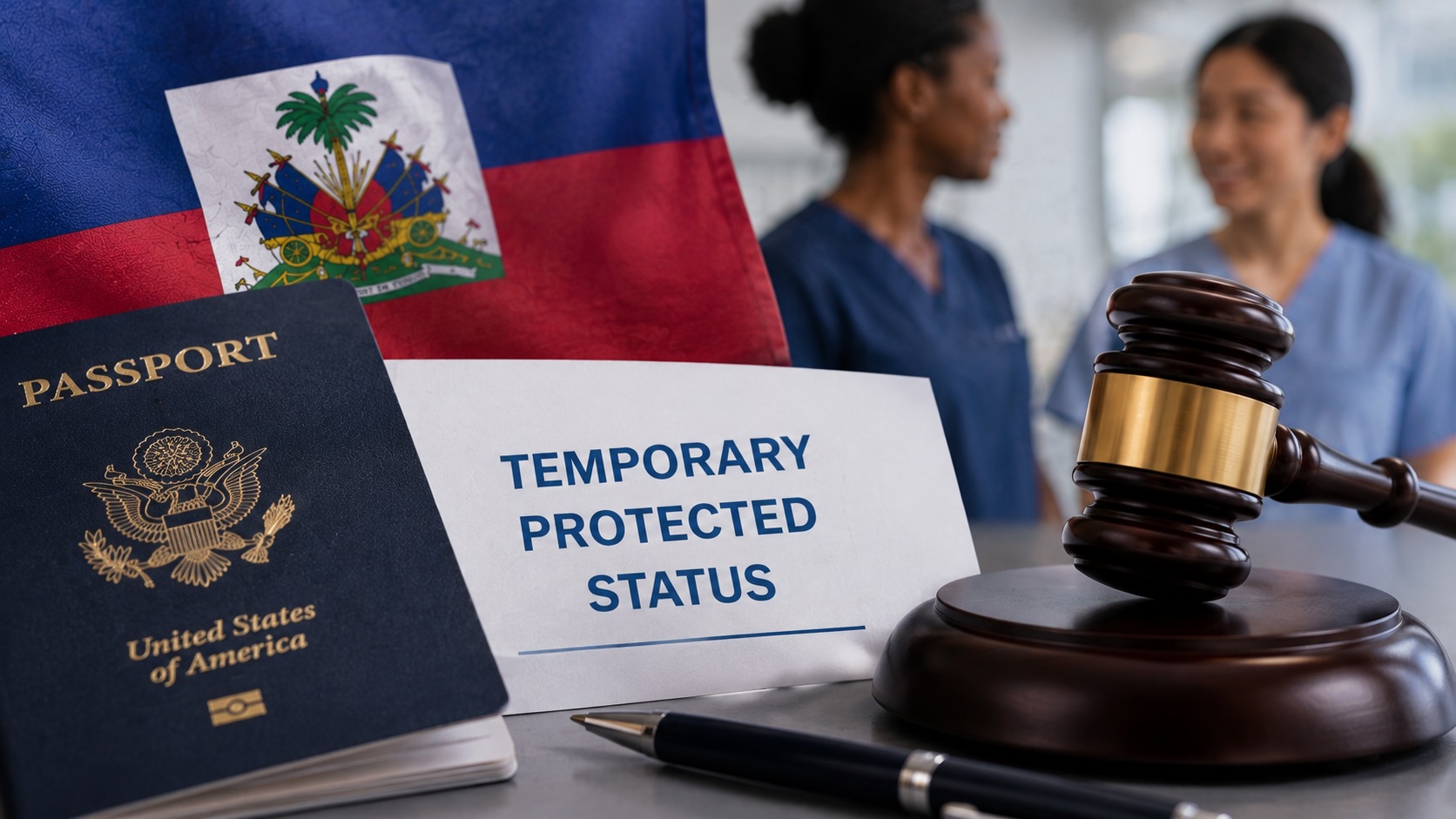
What happens next for Haitians in the U.S. under Temporary Protected Status is not certain, although the Dept. of Homeland Security considers the status revoked as of July 27.
Advocates for allowing Haitians who have seen their Temporary Protected Status (TPS) revoked as of July 27 continue to seek remedies in the courts and legislatively, according to media reports and comments from long-term care associations.
Thousands of Haitian nationals work in nursing homes, senior living communities, and in other healthcare roles, making up a good portion of the 350,000 Haitians who had TPS and who face an uncertain future.
A report in Axios on July 31, for example, said the fate of TPS for Haiti remains uncertain, with lawyers and the Dept. of Homeland Security arguing over whether the designation actually expired on Monday.
On June 25, the U.S. Supreme Court sided with the Trump Administration and allowed the termination of TPS for Haitians and a much smaller number of Syrians. But since then, it has been uncertain what happens next myzPAX.
What Next?
While Congress tried to pass an extension for Haitian TPS holders to 2029, the effort was blocked by Republicans in the Senate. States have tried to enact their own legislation, like in Massachusetts, but ultimately, “Massachusetts officials can't stop federal agents from trying to detain immigrants on civil infractions,” the Axios report said.
Here is a summary of what LTC associations have said on what providers who employ Haitians working under TPS status should do:
Dana Ritchie, American Health Care Association/National Center for Assisted Living’s (AHCA/NCAL) associate vice president of constituency services and workforce, posted a blog Haiti TPS Termination: What Long Term Care Employers Need to Know on July 29 indicating steps for providers to take.
She said only employees whose sole basis for employment authorization is Haiti TPS are potentially affected. This generally includes Employment Authorization Documents (EADs) issued under categories A12 and C19. However, employees may hold employment authorization under a different immigration category. Employers should verify each employee's work authorization individually rather than assuming all Haitian employees are affected, Ritchie said.
For employers, here is what AHCA/NCAL recommends:
Review each employee's work authorization on an individual basis.
Do not take blanket action against all Haitian employees or employees believed to be from Haiti.
Follow standard Form I-9 reverification procedures for employees whose only basis for work authorization is Haiti TPS.
Provide employees the opportunity to present alternative evidence of employment authorization before taking any adverse employment action.
Maintain documentation of all reverification efforts and employment authorization decisions for each affected employee.
If you participate in E-Verify, monitor the system for updated guidance and follow any new instructions issued by DHS.
“As always, providers with complex employment authorization questions should consult qualified legal counsel to ensure compliance with federal immigration and employment laws,” Ritchie said.
Monitor the Latest
From LeadingAge, the group said in a July 30 blog post USCIS Guidance: Haiti TPS-based EADs No Longer Valid, Immediate Reverification Required that since USCIS has reiterated that TPS for Haiti is terminated effective July 27 and that all associated EADs are no longer valid, employers should know:
- Forms I-766 (EADs) with category A12 or C19 issued to TPS Haiti beneficiaries are no longer valid, effective immediately.
- Employers must reverify any employee who presented an EAD bearing one of these codes for Form I-9 purposes.
- Employers cannot continue to employ anyone who does not provide proof of current employment authorization.
LeadingAge said recommended next steps are: “If you have not done so already immediately identify any employees with TPS Haiti–based A12/C19 EADs on file and begin reverification, documenting all actions taken.”
“You may wish to direct affected employees to immigration counsel to explore other pathways [pending adjustment of status, other EAD categories, family-based petitions, etc.], but employees unable to present alternative valid work authorization at this time cannot continue in active employment status,” the association said.
Contact Patrick Connole at pconnole@parkplacelive.com with questions or comments on this article.