Creator: JJ Rabinowich
SNF Digest #167
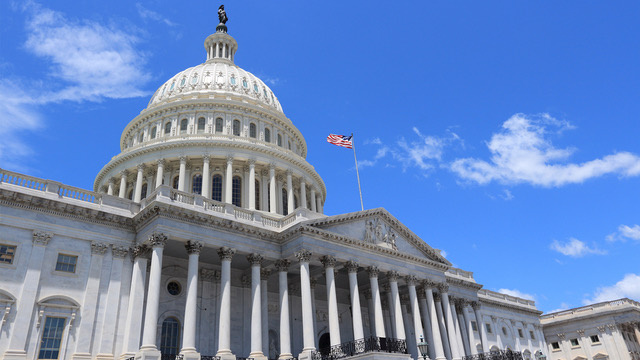
The White House focused this week on the ongoing operations in Iran, formally nominating Kevin Warsh to the Federal Reserve, and the First Lady’s address to the UN Security Council.
WHITE HOUSE:
The White House focused this week on the ongoing operations in Iran, formally nominating Kevin Warsh to the Federal Reserve, and the First Lady’s address to the UN Security Council. Two items of indirect interest:
The President issued a new Executive Order focused on beefing up the country’s cybercrime protection efforts. In addition to making tackling cybercrime a higher priority for the criminal justice system, as well as several other goals, the order also explores the creation of a new Victims Restoration Program, which may be very helpful to seniors who are often caught in cybercrime scams. Concurrent with the EO, they also released a new “Cyber Strategy for America” laying out the Administration’s goals. The strategy is here (PDF).
Recognizing that AI data centers are driving up electricity costs for everyone, the Administration secured a new voluntary commitment from the largest AI companies to sign the “Ratepayer Protection Pledge”. In theory, this should help lower electric costs for those in surrounding areas.
CONGRESS:
It’s still status quo on the DHS funding front, despite the passage through the House, yet again, of a DHS funding bill, as Senate Democrats blocked the bill, despite the removal of DHS Secretary Kristi Noem by the President. If possible, the gridlock might be getting worse with the President publicly announcing that he won’t be signing any bills until the “Save America Act” passes, which is highly unlikely. In general, between the anticipated high price tag for the Iran campaign, higher gas prices, rising voter concerns about federal policy on AI, poor appearance by the IRS Chief, and a subpoena from House Republicans to AG Pam Bondi, it was a rough week on the Hill for the Administration. With no end in sight to the DHS shutdown, even as we passed the first set of missed paychecks for TSA workers, it’s anyone’s guess as to what comes next. Elsewhere in DC:
The House Energy & Commerce Committee sent letters to 10 more states as they expand their investigation into Medicaid fraud. The 10 states (along with links to PDFS) of the letters, are: CA, CO, MA, ME, NE, NY, OR, PA, VT, and WA.
With the Administration silent on the specifics of their deals with pharmaceutical companies related to the Most Favored Nation pricing, Senate Democrats sent out letters to 11 leading manufacturers asking for more details. The letters can be found here (PDF).
It was a big primary week, especially in Texas, where incumbent Senator John Cornyn is heading to a runoff with state AG Ken Paxton, against Democratic upstart James Talarico, although Democrats aren’t sure how winnable the race actually is. With other incumbents also getting primaried, it was quite an interesting start to primary season.
We often highlight the importance of voting here. How important is it? Well, the most powerful elected official in the North Carolina legislature was trailing in his primary by just 2 votes as of Tuesday night, although the lead is up to 23 votes as of the end of the week. As always, EVERY. VOTE. MATTERS.
The exits from Congress keep coming, starting with the President nominating Oklahoma Senator Markwayne Mullin to replace Kristi Noem as DHS Secretary, and several others announcing their decision to not run for reelection. We’re now up to 53 Congressional members on the way out.
An underhanded last-minute retirement by Montana Senator Steve Daines recalled a similar move last year by a House Democrat, which led to a censure.
One helpful CRS report from the week: an updated overview for Congressional offices on HIPAA.
AGENCIES:
This is from last week, but CMS updated the 855a guidance to provider revalidation. It’s available here (PDF).
Nothing official yet, but the Washington Post reported that the Administration is exploring how to loosen the restrictions around antipsychotic drug use in SNF’s.
While not SNF related, this is definitely of interest. The IRS released proposed rules on the new Trump Accounts. They can be found at the Federal Register.
Dr. OZ sent a letter to NY Governor Hochul announcing a new investigation into the state’s $124 billion Medicaid program. The full letter was posted to Dr. Oz’s official X account.
CMS announced an extension of the deadline for drug manufacturers to participate in the “GENEROUS” Model, a new initiative designed to lower drug pricing for Medicaid.
CMS announced a series of changes designed to make the login experience at Medicare.gov more pleasant.
HHS, via SAMHSA, announced the release of $69 million in funding for several grant programs related to treatment for mental illnesses.
Following the recent Supreme Court decision that the President’s tariffs were illegal, the CBP announced in a court filing that they hope to have a tariff refund system for the $166 billion worth of collected tariffs operational within 45 days.
The FDA sent a second batch of warning letters, this time to 30 telehealth companies, related to the prescription of compounded GLP-1’s.
CMS announced a suspension of enrollment in Elevance’s MA plans. The letter is here. Fierce Healthcare has a good summary.
FROM THE NOTEBOOK:
The Kaiser Family Foundation did a deep dive into Medicare Part D enrollment trends.
McKnight’s has a deep dive on the challenges SNF’s are facing in the CHOW process and the extensive delays that are cropping up in the process.
The National Academy of State Health Policy released a new data brief outlining best practices from several states related to supporting, and regulating, SNF’s.
In a letter signed by more than 50 GOP state lawmakers, they urged the President to not block state efforts to regulate AI. The letter is here (PDF).
Utah wrapped up it’s 2026 legislative season.
Salesforce is the latest company to enter the AI healthcare arms race, rolling out several new AI agents to tackle repetitive healthcare tasks.
Optum announced an expansion of its partnership with Microsoft to “improve the provider experience” for claims and reimbursement.
RAND, a non-profit research organization, put out a report last week with a state-by-state impact breakdown that the One Big Beautiful Bill is expected to have on state Medicaid budgets over the next decade. It’s available here (PDF).