Creator: Patrick Connole
SNFs and the LEAD ACO Program: Where It Stands
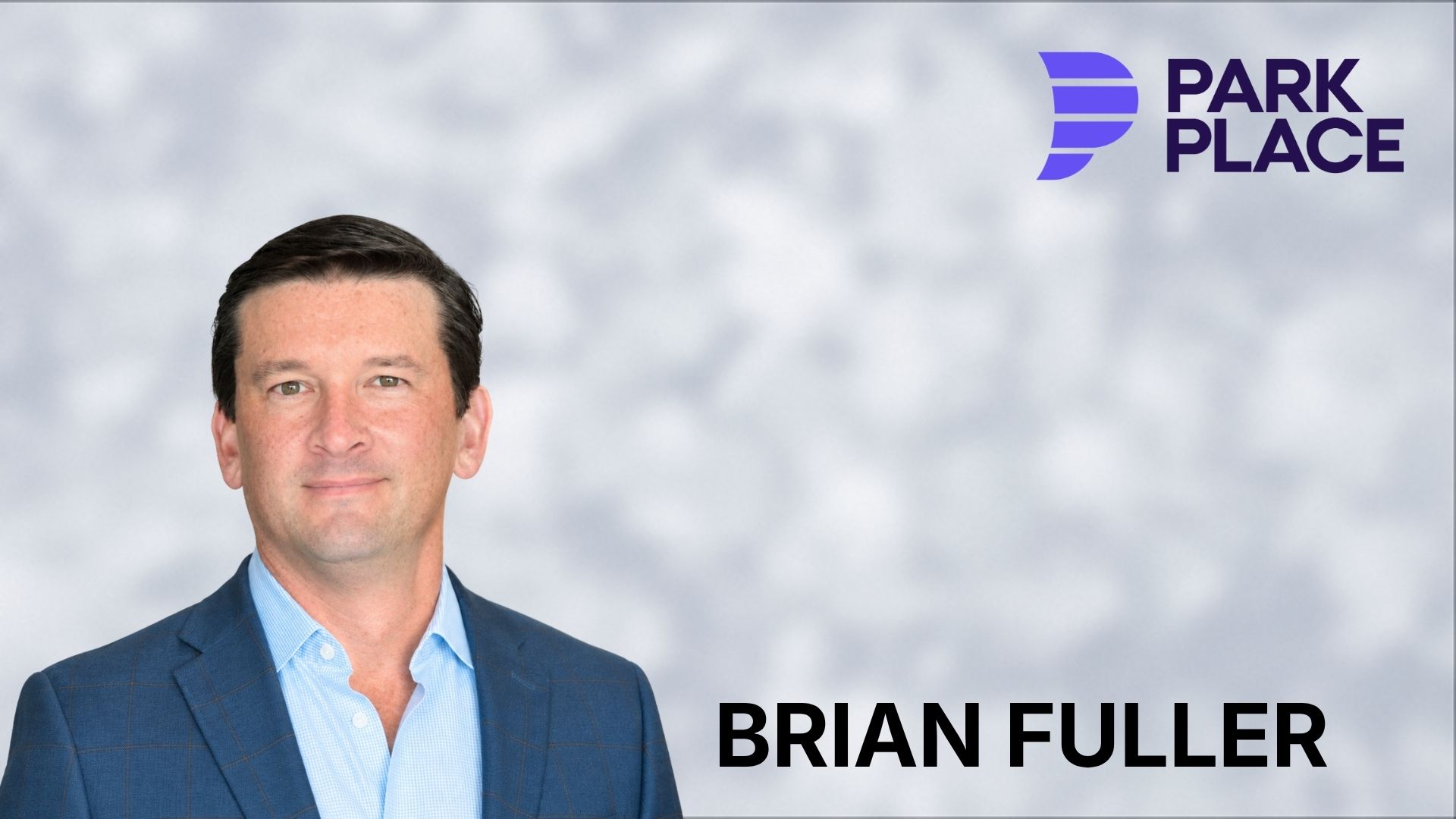
Brian Fuller gives a review of where the sector stands when it comes to the CMS LEAD ACO, which is fast-approaching its debut at the start of 2027.
The big focus right now when it comes to value-based care issues tied to SNFs is CMS’s LEAD ACO, which is fast-approaching its debut at the start of 2027 and just saw key identification and verification deadlines pass on Sept. 11.
The LEAD ACO Model is a 10 year Medicare ACO launching on Jan. 1, 2027, which seeks to expand participation among providers from the existing and expiring REACH model through improved benchmarking, flexible payment options, and stronger support for high needs patients. LEAD stands for Long term Enhanced ACO Design.
Brian Fuller, a managing director in ATI's Provider Strategy and Care Transformation Practice, said LEAD is forcing SNFs to make decisions on whether they want to take part, and what level of participation.
“We've got SNF organizations participating as a partner, becoming their own ACO, or kind of sitting on the sidelines and waiting for things to play out and just do something next year,” he said. “The main question providers are asking is: What's our strategy to manage our long-term care population?”
Fuller said every SNF he knows, even if they aren't proactively thinking about LEAD or addressing it, are getting knocks on their door from organizations that are trying to recruit them to be a partner in their ACO and or in MSSP.
MSSP is the Medicare Shared Savings Program, the largest value-based care initiative run by CMS.
What LEAD Is and Is Not
In his work, Fuller said one of the confusions he has encountered is when people in the sector hear “ACO,” they think of a hospital system or physician practice that mainly has historically impacted their short-stay rehab populations.
“They don't necessarily attach it with this kind of new ACO that's really focused on their long-term care resident population. So, that distinction, I think, is important. It's really that resident population where we're seeing a lot of market change and movement,” he said.
Another related point is stakeholders are waiting for the market to react. And when there is this reaction, what the impact will be on nursing facilities and mandatory bundled payment programs.
“There's kind of two key things that have happened or are happening on the horizon. One is the TEAM model, which is the five mandatory surgical conditions with financial downside risk beginning on Jan. 1, 2027. So, will hospitals kind of ratchet up their focus and attention now that they'll have financial skin in the game on Jan. 1? The other, which was just finalized in the latest Inpatient Prospective Payment Rule, is that the CJR-X model was expanded nationally and will begin Jan. 1, 2028,” Fuller said.
He said CMS has essentially taken procedures in the CJR-X model out of Fee-for-Service throughout the entirety of the U.S, which is a major deal.
The CJR-X Model is an expansion of the original Comprehensive Care for Joint Replacement (CJR) Model, aimed at Original Medicare patients undergoing hip, knee, and ankle replacements in both inpatient and outpatient hospital settings.
Not Just the Facility
Fuller said at the intersection of these models is that because many SNF organizations also operate home health, “there's a lot of implications and opportunity for home health and those mandatory bundled payment models. So that's kind of the second big thing we're watching.”
The third big picture item ATI is tracking is other strategies to manage dual eligibles or complex care populations in general.
“We continue to hear rumblings out of the [CMS] Innovation Center around interest in a duals-focused model. We don't know exactly what that will look like, but that is on our watch list, because that could open up opportunity that doesn't exist today,” he said.
When asked about what SNFs can do now when it comes to new payment models and duals, Fuller said historically, it's been the I-SNP space and the PACE program.
“Those have been the ways that you bring duals directly under your care management. Certainly, there is a high percentage also of ACO beneficiaries who are dually eligible. It's not solely a dual-eligible strategy, but there's an intersection there. But, you know, there's challenges right, not everyone can be an I-SNP,” he said.
For one, Fuller said I-SNPs are difficult to scale, require a lot of investment similarly to PACE, and there's a state-by-state dynamic on both PACE and I-SNPs.
The Program of All-Inclusive Care for the Elderly, or PACE, is designed for older adults who require nursing home-level care but prefer to remain in their community. It integrates Medicare and Medicaid funding to provide a range of services, including medical, social, and supportive care.
Who’s Knocking
On the matter of SNFs being bombarded with knocks on the door to join the LEAD model, Fuller said it's not necessarily advantageous if a SNF is a high-quality provider because that might mean that they're more tightly managed and their historical benchmark spending is lower.
“So, there really isn't prioritization on quality or Star rating from the ACO's perspective, it's more, how do I take a long-term care population that has historically been unmanaged or not managed very well and put them underneath my accountable entity and then wrap services around them in collaboration with the SNF to better care for them,” he said.
Interest Is Up?
Overall, he sees interest from SNFs increasing when it comes to ACOs and related new models.
“I think the interest is growing for a couple of reasons. On the high-needs track inside of the ACO REACH model taught us a lot about the opportunity in the long-term care resident population that I think had largely been kind of silently happening in the background through MSSP,” Fuller said.
“I think largely the market acknowledged that MSSP wasn't really built for high-needs, long-term care populations. REACH changed that because there was a specific track pointed at high-needs beneficiaries, many of whom are long-term care residents and qualify as high-needs.”
LEAD takes that a step further and CMS expanded it to a 10-year model. Combined with the lessons learned from REACH, and high needs, and with the market opportunity of LEAD on a 10-year runway, it has all created kind of a growing interest, he explained.
See additional articles on the LEAD ACO here and here.
Comments or questions? Contact Patrick Connole at pconnole@parkplacelive.com.